
 Animalia Team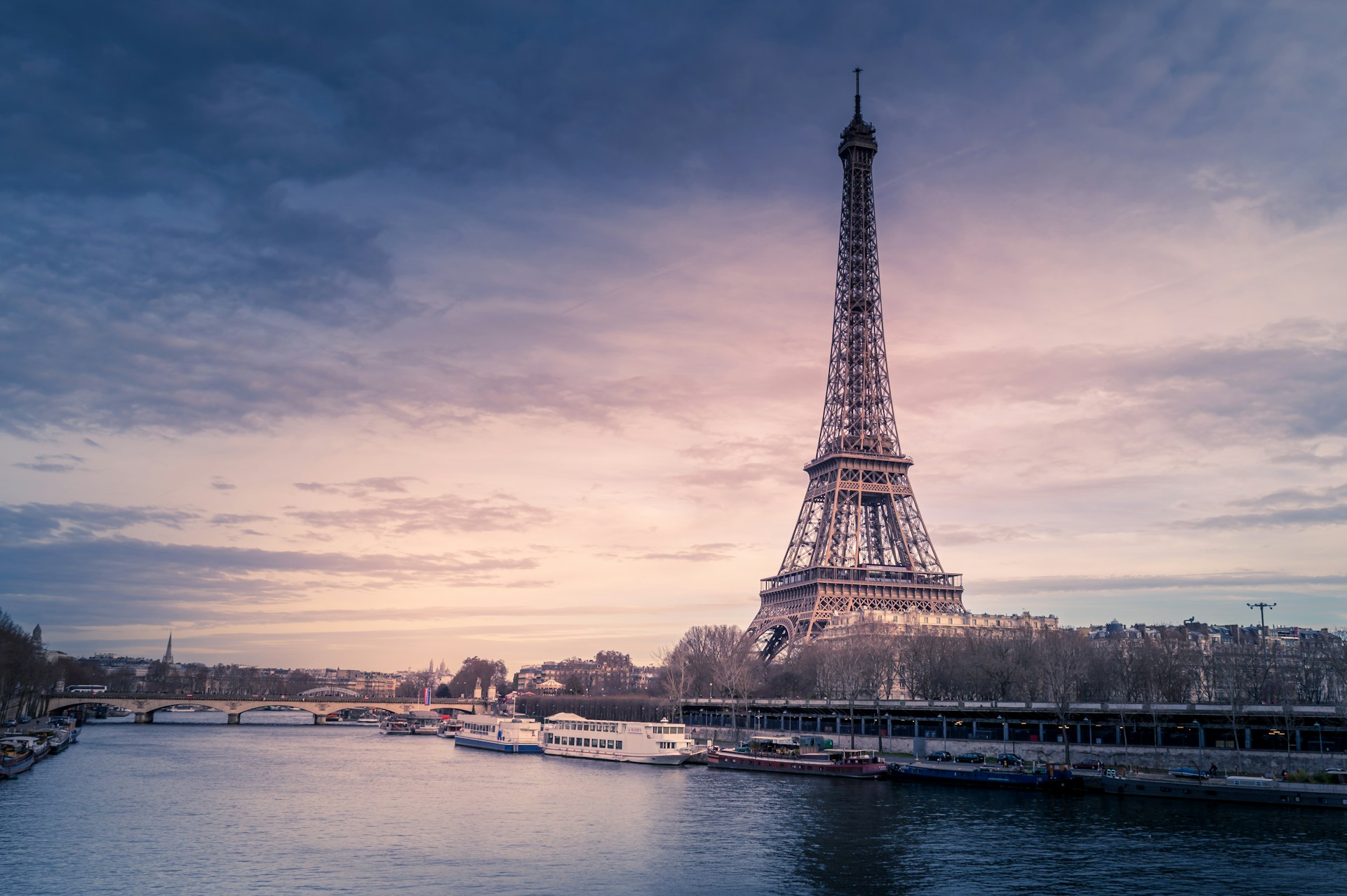
Paris once moved through the world like a promise. The light on limestone facades, café chairs angled toward the sun, bridges arching over the Seine with practiced grace. That image still circulates, endlessly polished, but the city beneath it feels heavier now. Streets carry the dull sheen of neglect. Crowds press and churn. The romance lingers as a slogan rather than a lived reality, and visitors arrive with expectations that collapse within hours.
France remains a giant of culture, history, and influence, but the experience on the ground has changed. The disappointment does not arrive all at once. It accumulates through small shocks, an overflowing trash bin, a metro car streaked with grime, a public square ringed by tents and temporary fixes that never feel temporary. The country that perfected the art of allure now struggles to maintain the basics.
The Dirt No One Wants to Photograph
Visitors speak first about cleanliness, often with surprise. Parisian streets can feel sticky underfoot, the air carrying the sour trace of uncollected waste. Strikes, budget constraints, and administrative standoffs have turned sanitation into a recurring crisis rather than a solvable problem. The metro, once a marvel of urban efficiency, frequently appears worn down, its stations stained and its cars marked by years of hard use.
This is not the picturesque grit of an old city aging gracefully. It is neglect that feels unresolved. Tourists step around piles of trash near landmarks that appear pristine on postcards. Public restrooms are scarce and poorly maintained. The Seine sparkles at sunset, yet the riverbanks tell a messier story up close. Beauty survives, but it requires effort to find, and patience to tolerate the surrounding decay.
An Overrated Loop of Landmarks
The itinerary rarely changes. The Eiffel Tower. The Louvre. The Champs-Élysées. Montmartre at dusk. Each stop arrives wrapped in lines, security barriers, and souvenir stalls selling the same trinkets by the thousand. The experience becomes a loop, repeated endlessly, drained of spontaneity.

The problem is not that these places lack merit. The Eiffel Tower still cuts a dramatic silhouette, and the Louvre still houses astonishing art. The problem is saturation. Paris has been marketed so relentlessly that it can no longer breathe under the weight of its own legend. What once felt intimate now feels industrial. Visitors move through curated corridors, shepherded by crowd control and ticketing systems that turn wonder into obligation.
Outside the capital, the pattern repeats. Iconic villages and coastal towns strain under seasonal crowds, while infrastructure lags behind demand. France sells a dream built in another era, but the present-day delivery often feels rushed and underwhelming.
A Fragmented Culture
Beneath the surface frustrations lies a deeper unease. Paris feels fragmented, its neighborhoods operating like separate worlds with little shared rhythm. Longtime residents speak of a city that no longer recognizes itself, where familiar patterns have dissolved into something harder to define.
Public debate circles around identity, cohesion, and belonging, often without resolution. The population has shifted rapidly over recent decades, driven by global forces that France did not create but must now manage. The result is a city in flux, its cultural center of gravity uncertain. Cafés and markets remain, but the social glue that once held daily life together feels thinner.

This is not about nostalgia for a frozen past. Cities evolve, and Paris has always absorbed influences. The anxiety comes from the speed and scale of change, and from the sense that institutions have failed to guide it with clarity. Visitors sense this tension even if they cannot name it. It surfaces in small interactions, in guarded expressions, in a general fatigue that dulls the city’s famed charm.
When Policy Meets the Pavement
France sits at the crossroads of Europe’s most difficult conversations. Migration, asylum, integration, and security collide in daily life, especially in major cities. Policies crafted in offices meet reality on crowded sidewalks, in overburdened shelters, and along transit lines where social services struggle to keep pace.
Critics argue that the state has allowed parallel societies to form, not through malice, but through indecision. Promises of integration often remain abstract, while practical support falls short. This vacuum fuels resentment from multiple sides, leaving everyone dissatisfied. The debate simmers constantly, shaping how the country is perceived abroad.
For travelers, the impact is indirect but palpable. Areas once associated with ease and leisure now carry an edge of unpredictability. Heavy police presence around landmarks is meant to reassure, yet it also signals unresolved strain. France feels like a place managing crises rather than celebrating itself.
The Weight of Disappointment
The decline in enthusiasm is not always measured in statistics. It shows up in conversations, in travel blogs that quietly adjust expectations, in repeat visitors who decide to skip Paris this time. The country still attracts millions, but the passion has cooled. France has become a destination checked off rather than cherished.
Part of this stems from competition. Other cities have invested heavily in cleanliness, infrastructure, and visitor experience. They feel lighter, more responsive, less burdened by their own mythology. France, by contrast, seems caught between guarding its image and confronting uncomfortable realities.
The tragedy is that the foundations remain extraordinary. The countryside still unfolds in vineyards and coastlines of staggering beauty. Regional cuisines still tell stories of land and labor. The problem is coherence. France struggles to present a version of itself that feels honest, welcoming, and functional all at once.
A Legend Waiting for Renewal
Paris at dawn can still stop time. A street sweeper moves through empty cobblestones. Light slides across shuttered storefronts. For a moment, the old magic returns, unencumbered by crowds or conflict. That moment passes quickly, replaced by the familiar noise of a city straining under expectations it can no longer meet with ease.
France does not lack culture, history, or significance. It lacks momentum. The sense that someone is steering, that problems are acknowledged without denial, that beauty is maintained rather than assumed. Until that changes, the gap between the France people dream about and the France they encounter will continue to widen, and the world will look elsewhere for its next great escape.


